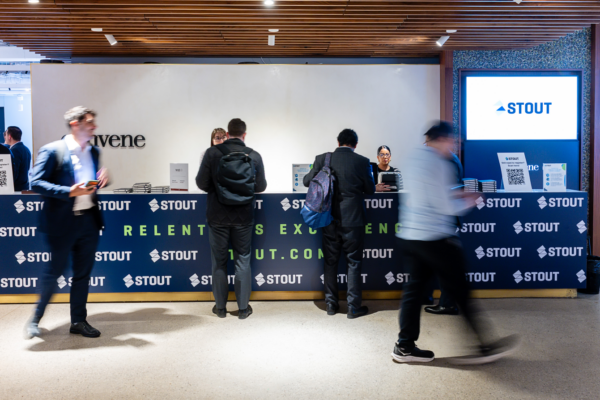
Expos and brand activations move fast. Conversations overlap, products compete for attention, and first impressions happen in seconds. Photography at these events is not about catching everything. It is about capturing what matters in a way that continues to work long after the doors close.
Strong event photography supports brand visibility, reinforces credibility, and gives your marketing team usable content across platforms. When done well, it reflects the energy of the space without exaggeration and documents the experience without interrupting it.
Start With the Purpose, Not the Camera
Every expo or activation has a goal. Sometimes it is lead generation. Sometimes it is brand awareness, a product launch, or a repositioning moment. Photography works best when it aligns with that goal from the start.
Images should show how people interact with the space, how products are experienced, and how the brand appears in real use. This creates visual clarity. It also ensures the final gallery supports marketing, PR, social media, and internal communications without feeling disconnected from the event itself.
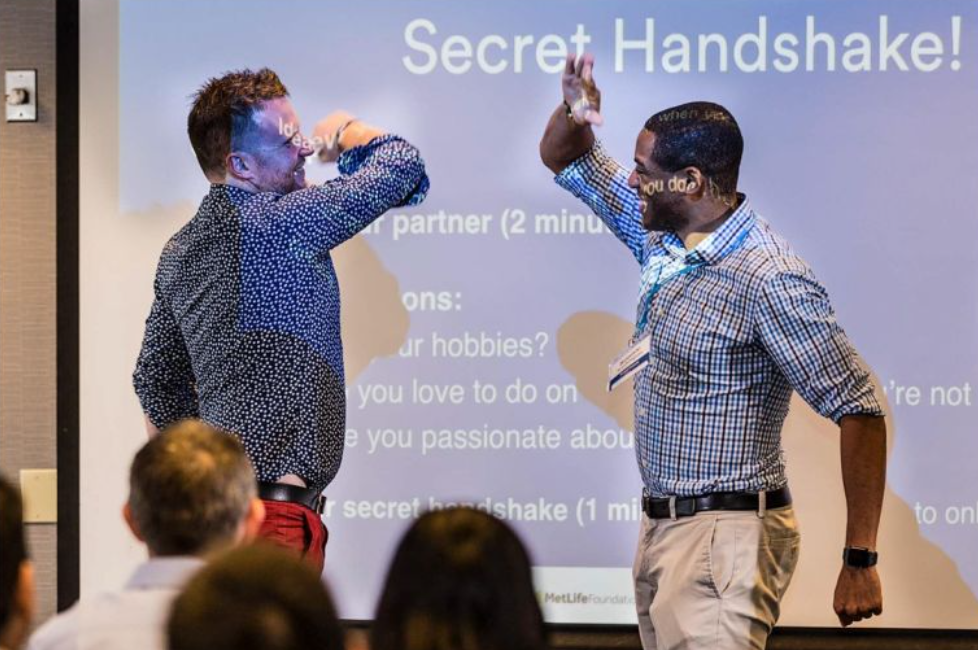
Design and Flow Matter More Than You Think
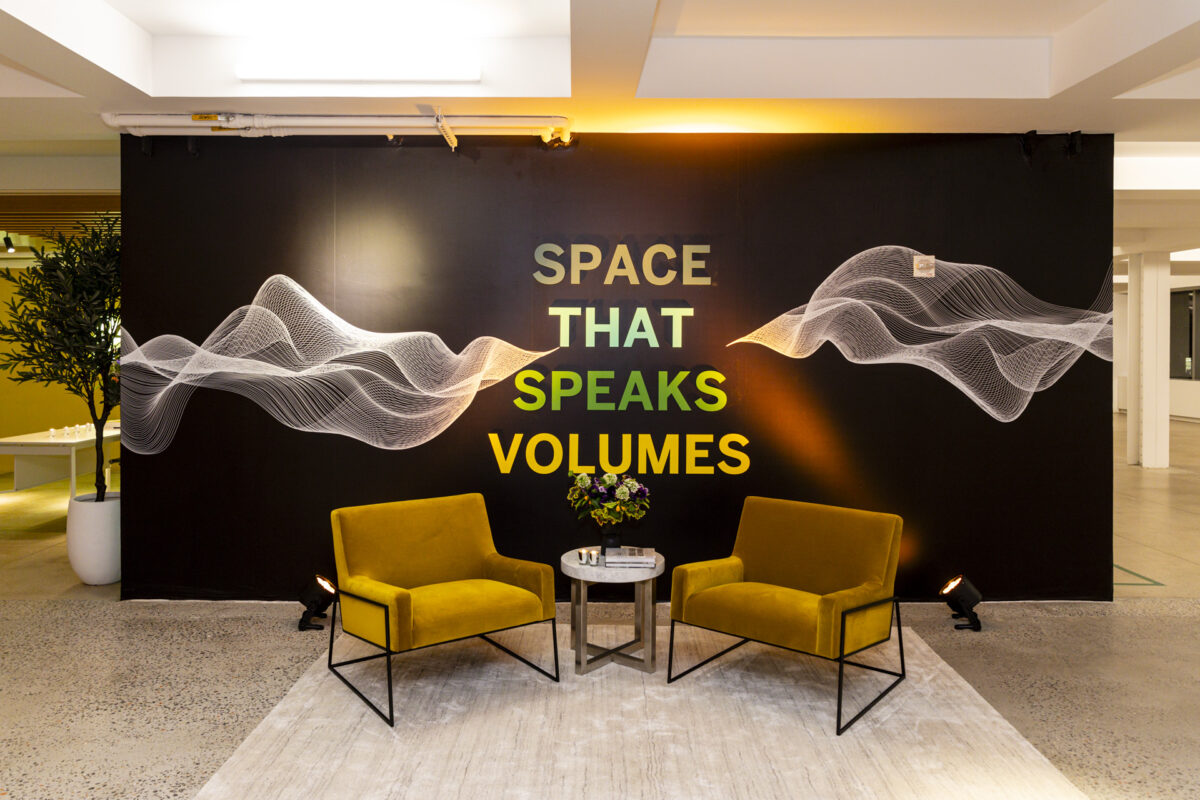
Modern event photography pays close attention to layout, lighting, and movement. Clean booth design, intentional signage, and thoughtful lighting all translate directly into stronger images.
Photographs that feel balanced and natural usually come from spaces that guide people intuitively. When attendees move comfortably through an activation, the images reflect that ease. The result feels polished without being staged, which is exactly what brands look for in professional event photography today.
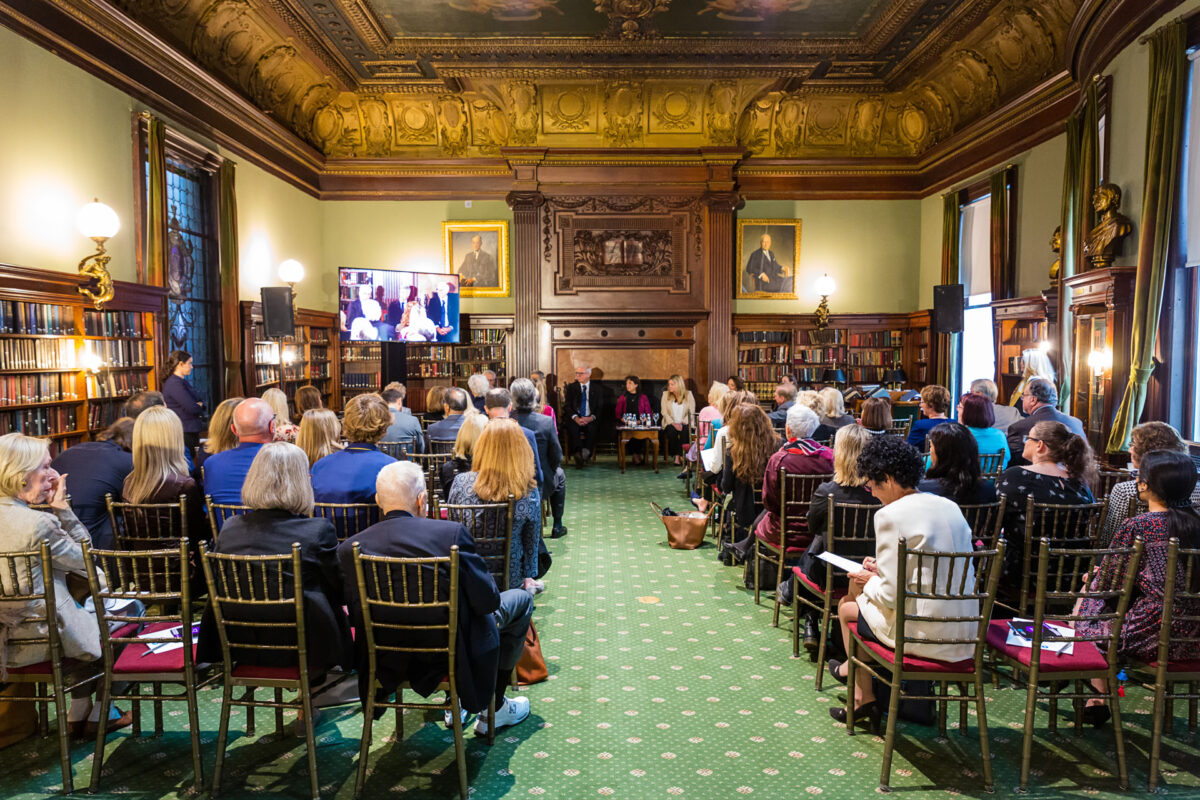
People Are the Proof of Engagement
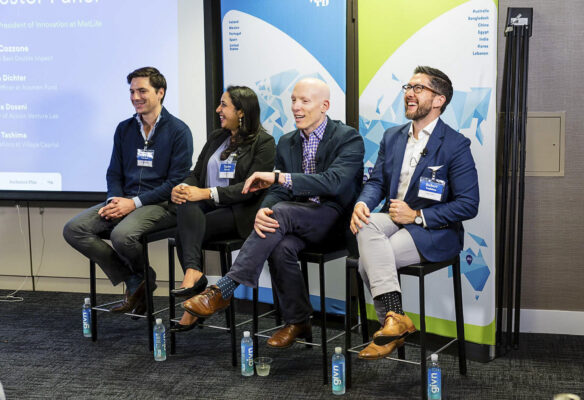
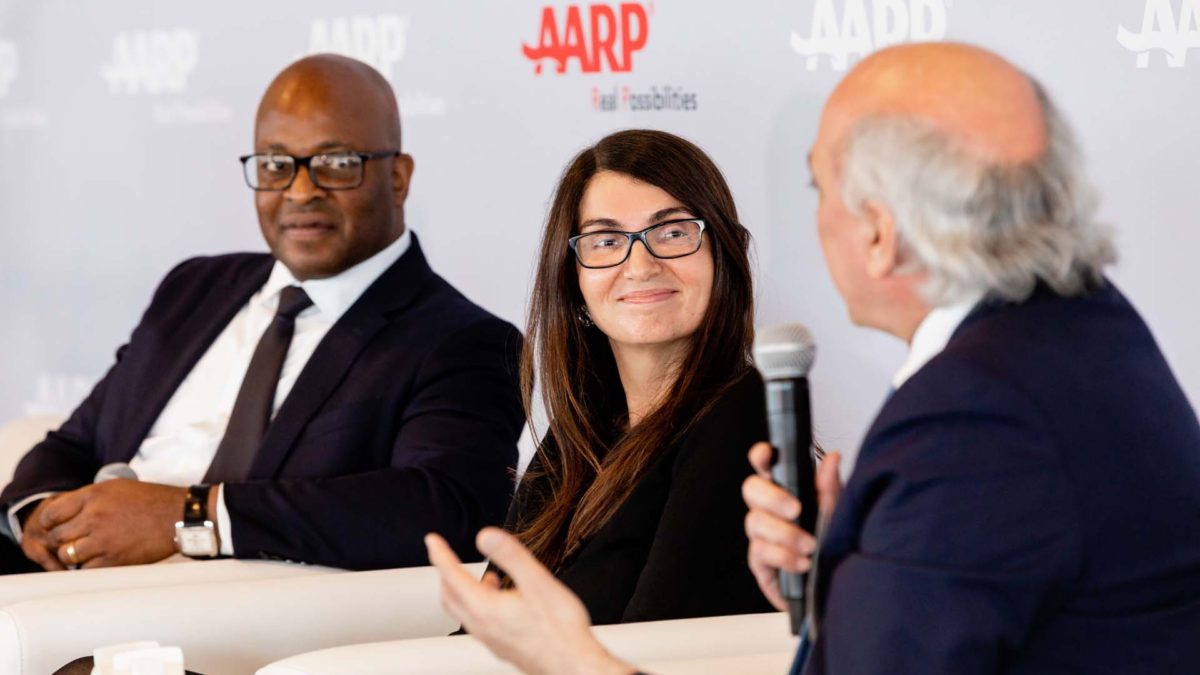
Crowds alone do not tell the full story. Interaction does. Strong expo photography focuses on moments of connection. A conversation at a demo station. A reaction during a presentation. A team member explaining a product with confidence. These details show engagement and credibility in a way wide shots cannot.
For potential clients and partners viewing the images later, these moments help answer an unspoken question: what does it feel like to be there?
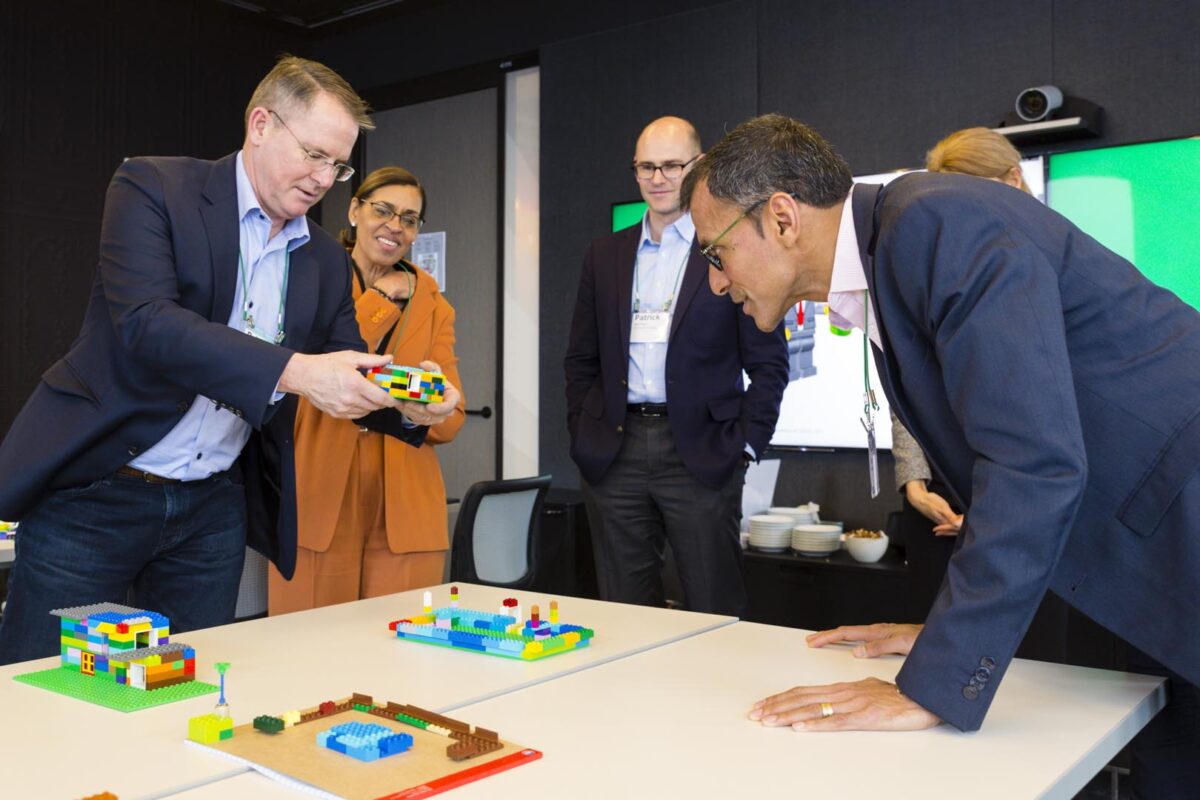
Think Beyond the Event Day
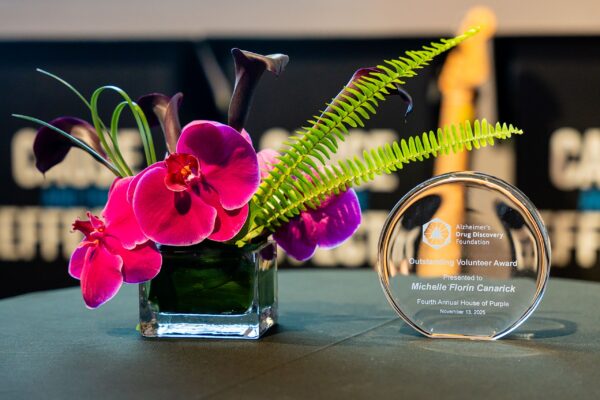
The most effective event photography is created with future use in mind. Images should work across websites, social media, email campaigns, pitch decks, and press features. That means variety without excess. A mix of wide context shots, mid-range interactions, and clean detail images gives brands flexibility. It also extends the value of the event far beyond a single day on the calendar.
When photography supports ongoing brand communication, it becomes part of the business strategy, not just documentation.
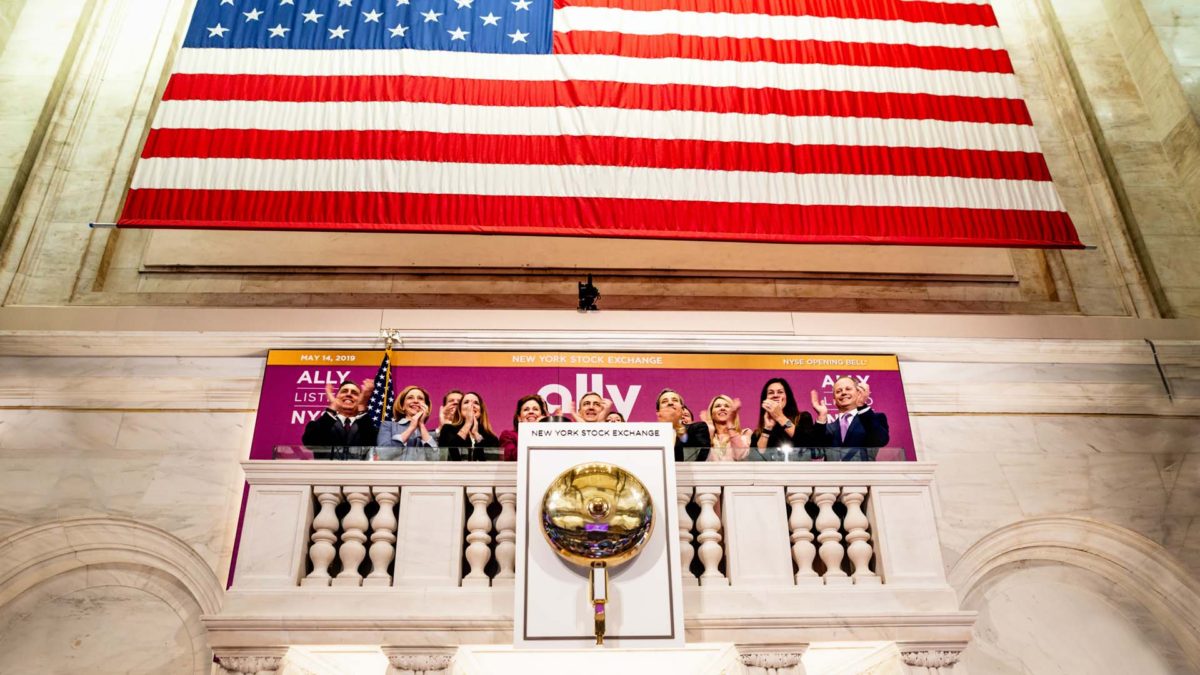
A Consistent Visual Language Builds Trust
Expos and activations are often the first in-person touchpoint between a brand and its audience. Visual consistency matters.
Photography that aligns with existing brand tone, color palette, and messaging helps reinforce recognition and trust. It ensures that when images appear online later, they feel like a natural extension of the brand rather than a one-off moment. Consistency does not mean repetition. It means clarity.
Turning Moments Into Long-Term Assets
Well-executed event photography captures momentum without overstating it. It documents presence, participation, and professionalism in a way that feels natural and credible. For businesses investing in expos and activations, photography should do more than record attendance. It should support brand positioning, strengthen marketing efforts, and provide visual assets that continue to work well into the future.
If you are planning an upcoming expo or brand activation, thoughtful photography planning can make a measurable difference.
Visit our galleries and contact us to see how professional event photography can support your next experience.
Stay connected with us:
Follow us on Instagram, LinkedIn, and Facebook